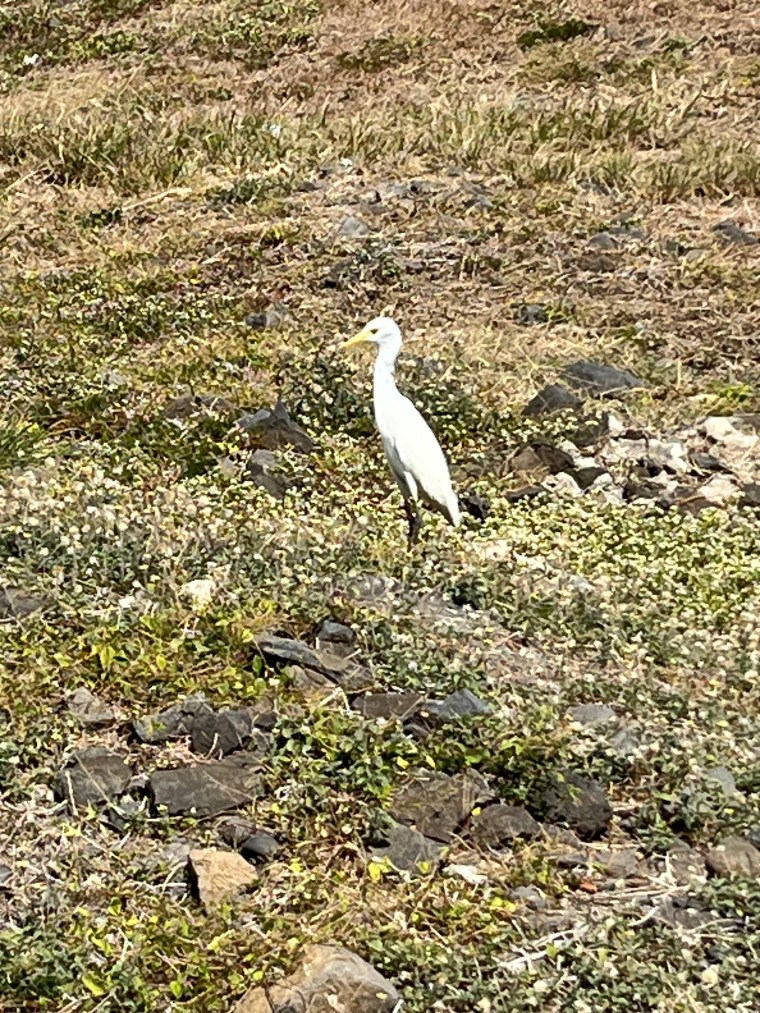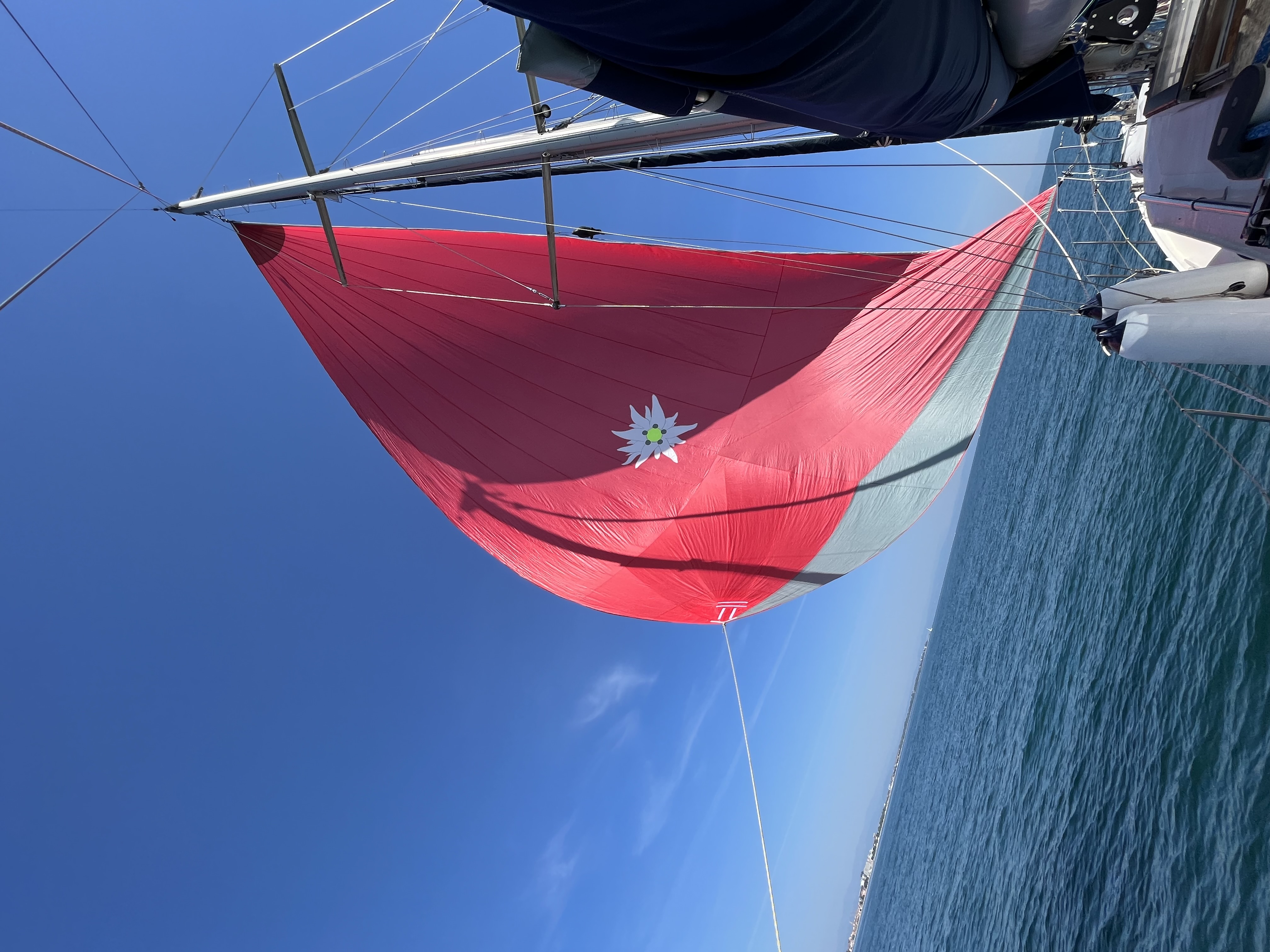
Man möge uns verzeihen wenn wir Fernando de Noronha vielleicht etwas zu sehr glorifizieren, aber dass erste Land nach 14 Tagen nur Wasser hat einfach etwas paradiesisches 😉.
Aber mal im Ernst, wer sieht schon morgens um 7:00, wenn er aus seinem Kabinen Fenster blickt, Delphine ums Boot herumspringen? Ich finde das ist schon ziemlich nah dran am Paradies.
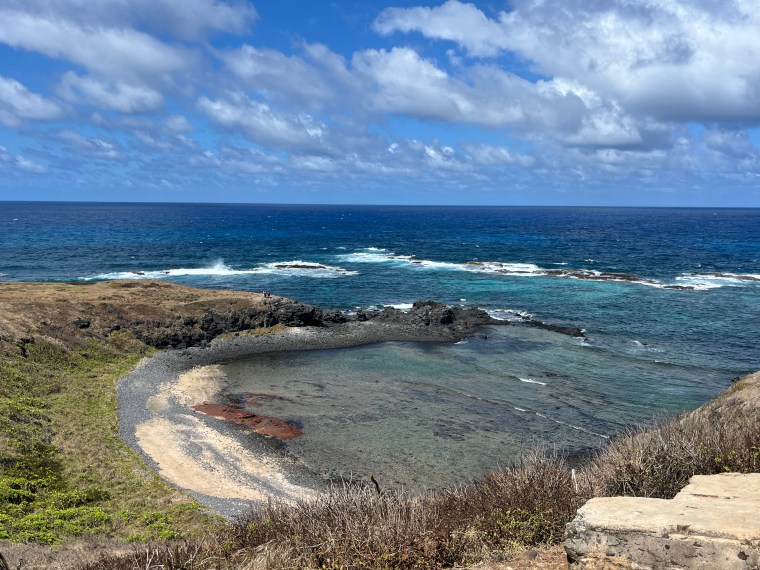
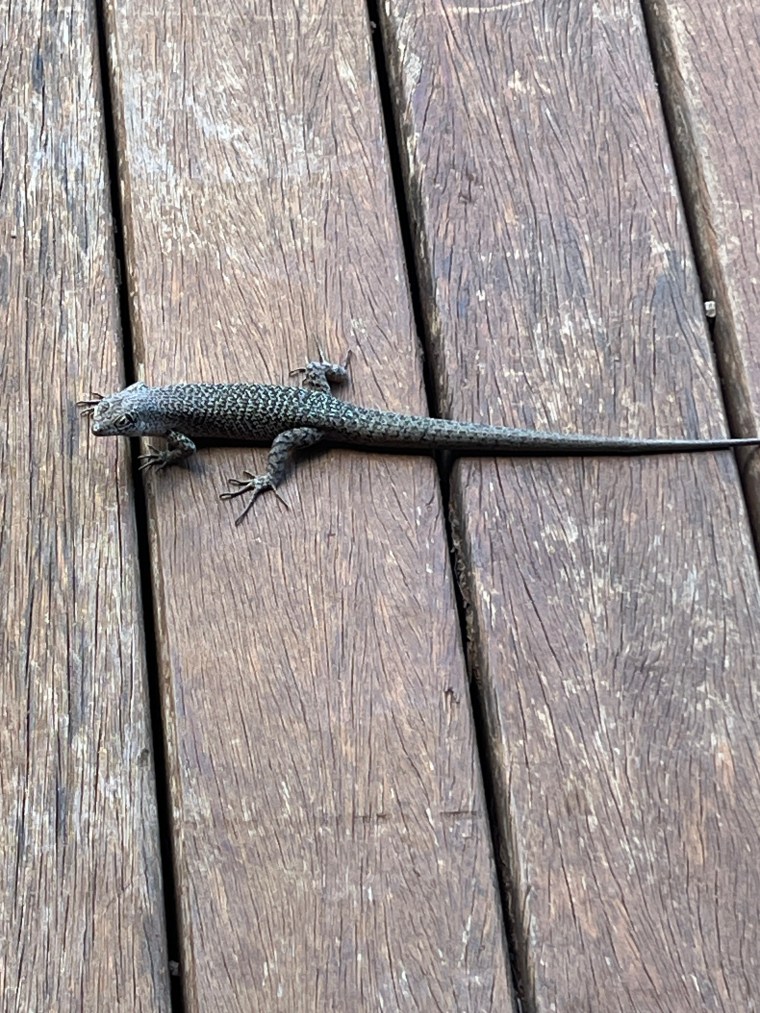
Fernando de Noronha ist eigentlich gar keine einzelne Insel sondern eine Inselgruppe aus insgesamt 21 Landflächen, wovon die Hauptinsel die größte Landfläche und als einzige bewohnt ist. Seit 1988 stehen die meisten der kleinen Nebeninseln und ein Teil der Hauptinsel als Meeres-Nationalpark unter Naturschutz. Zuvor wurde die Insel ab 1817 als Strafkolonie genutzt und später vom US Militär, bevor sie an Brasilien zurück gegeben wurde.
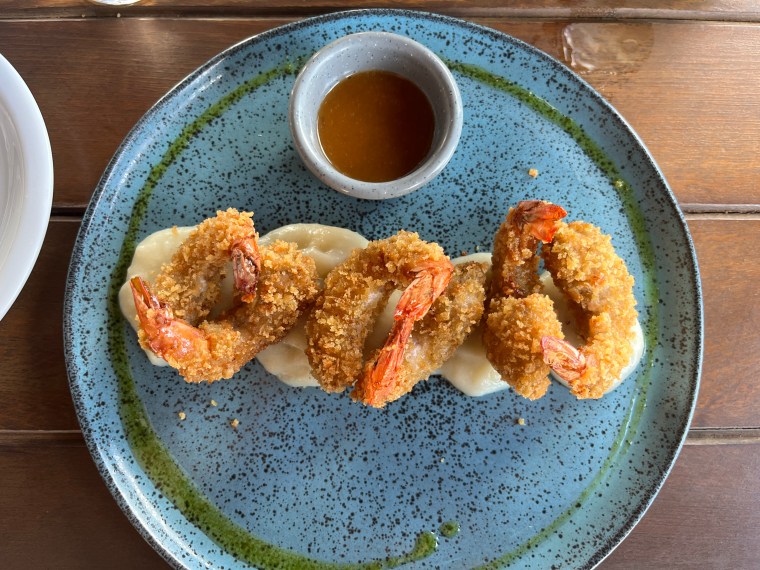
Seitdem bemüht man sich sehr um dieses besondere Kleinod. Sanfter Tourismus, eine „Zero Plastic“ Politik und eine Begrenzung der Besucher Zahlen wird hier konsequent umgesetzt und das sieht man auch. Allerdings ist die Insel sehr teuer. Kosten für die Dinge des täglichen Lebens sind 3x so hoch wie am brasilianischen Festland. Unser Lebensmitteleinkauf fällt daher eher spärlich aus, was aber auch am Sortiment gelegen haben könnte. Man steht durchaus öfter vor leeren Regalen. Erst kurz bevor wir die Insel wieder verlassen, finden wir noch einen Obst und Gemüseladen mit einer richtig guten Auswahl und akzeptablen Preisen. Reife Mangos die eben nicht schon grün geerntet werden, sind nicht mit dem zu vergleichen was wir zu Hause so bekommen. Auch Restaurantbesuche haben ordentlich aufs Budget geschlagen.
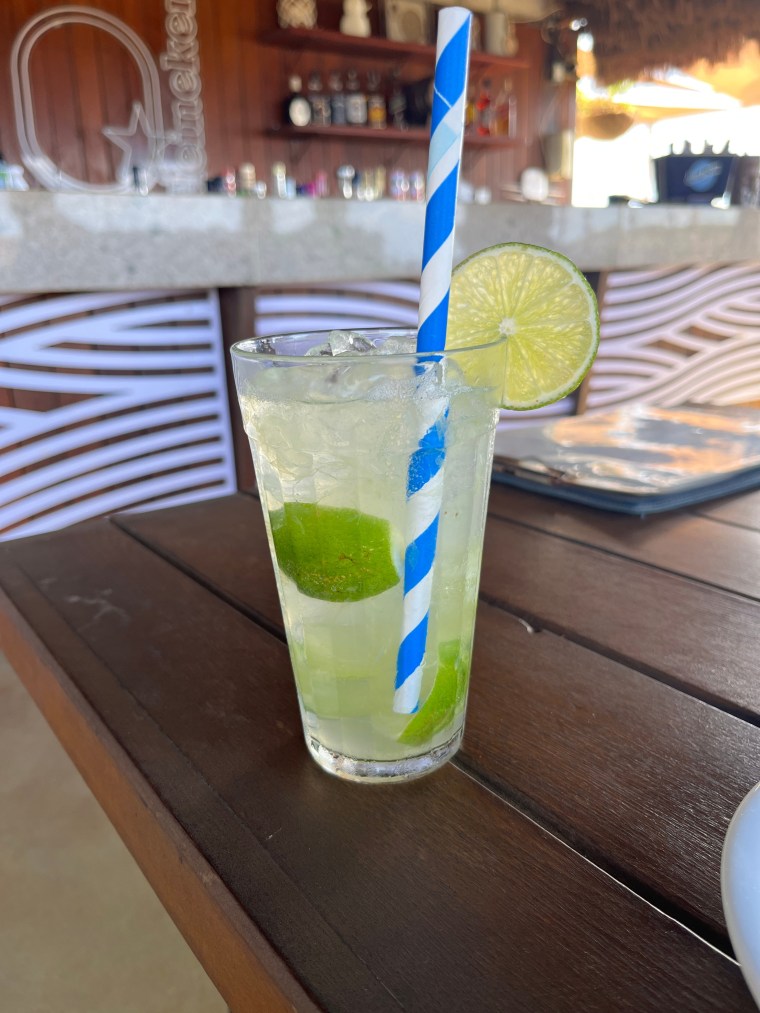
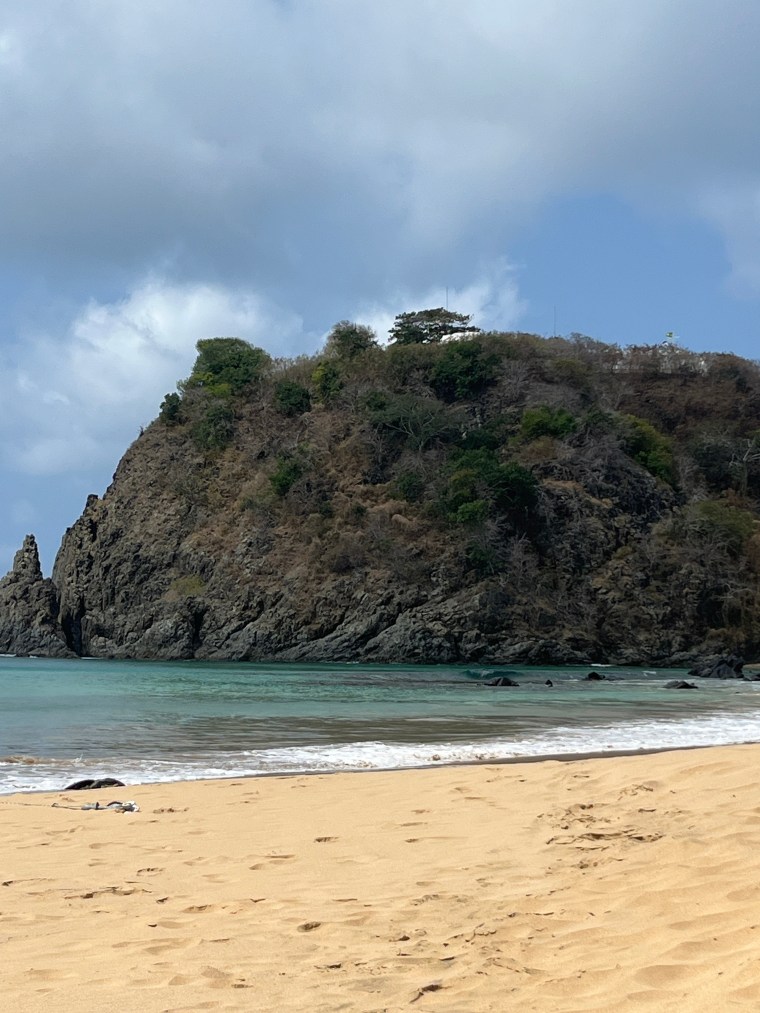
Von unserem Ankerplatz ist es mit dem Beiboot nur ein Katzensprung bis zum Porto und zum Strand und von dort gibt es eine super Busverbindung alle 30 min in die „City“, aber auch das Fahren per Anhalter ist hier kein Thema. 😉 Einen Tag waren wir Wäschewaschen in einem, zu einem kleinen aber feinen SB Waschsalon umgebauten Container und haben am Rückweg mit der fertigen Wäsche die Bushaltestelle Richtung Porto nicht mehr gefunden. Nachdem wir in der Hitze mit den schweren Taschen dann irgendwann an einem Bus Schild gerastet haben, in der Hoffnung das da vielleicht doch ein Bus kommt, hält plötzlich ein LKW und fragt ob wir mit wollen. Total nett. Verständigung war leider nicht möglich, da die meisten überhaupt kein Englisch sondern nur Portugiesisch sprechen. Aber es ist eh klar wo wir hin wollen. Und natürlich waren wir auch einen Tag am Strand. Was für ein Traum. Feiner Sand, klares warmes Wasser , eine Schildkröte die unser Beiboot begeleitet und Caipi an der Strandbar. Mehr braucht es eigentlich nicht. Wir haben hier eine wirklich gute Zeit und erholen uns von der Überfahrt, aber irgendwann müssen wir leider diese wundervolle Insel wieder verlassen und uns Richtung Festland aufmachen.
So starten wir am 07.09.25 Nachmittags los, nachdem wir noch eine Kleinigkeit am Ruderschaft gerichtet und irgendwo Wasser aufgeputzt haben. Das übliche halt. Und natürlich geht es wieder nur am Wind, hoch am Wind. Einfach nicht meins 🤢. Nach den ersten 2 Tagen falle ich, mal wieder, für eine Nacht aus. Zum Glück sind wir am nächsten Mittag bereits da so dass die Belastung für Franz nicht zu heftig wird. Was auch immer es ist, es wird zur Gewohnheit. Wir haben beschlossen nach unserer Landreise noch einmal in Ruhe die weitere Route zu besprechen, um für uns beide das Beste aus der Situation zu machen.
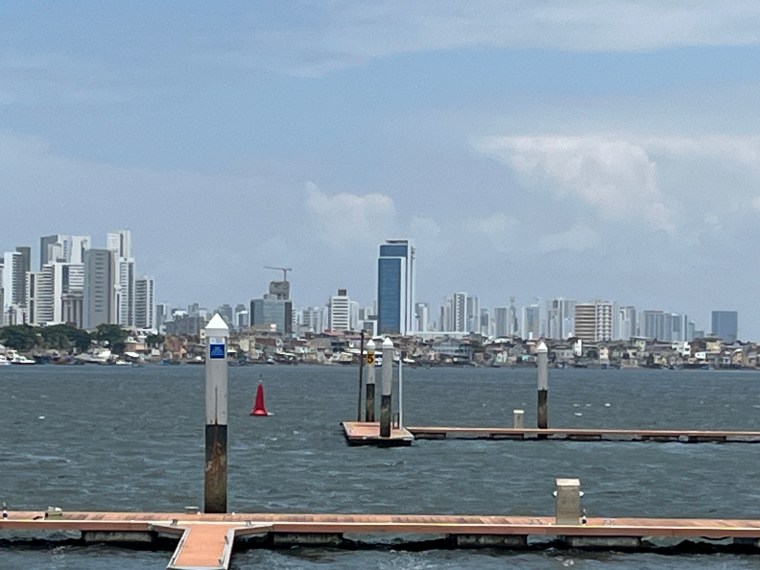
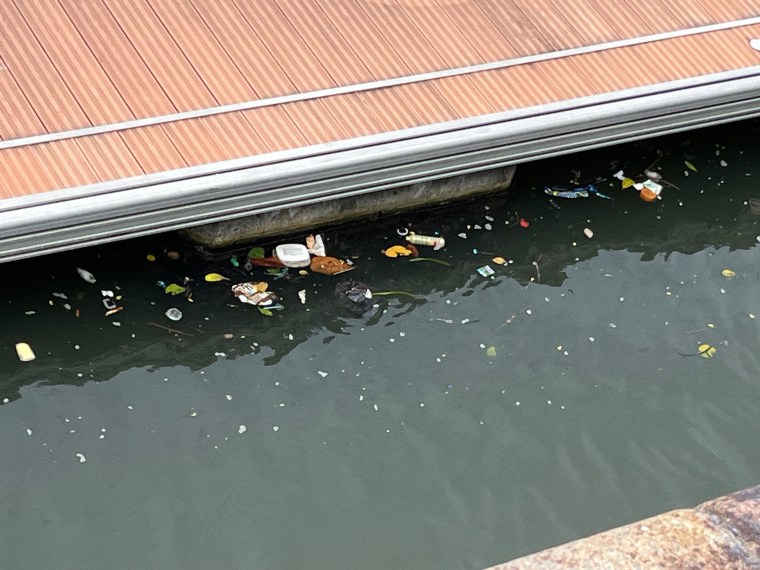
In Recife angekommen sind wir dankbar und müde und der Tag endet mit Duschen und Essen. Ernüchternd ist, dass es nur eine bzw. 2 Duschen für alle gibt, nicht geputzt und nur mit kaltem Wasser. Also dass kann ich am Boot auch haben. Ansonsten ist die Marina ganz neu und eigentlich schön gemacht, wenn man mal vom Müll im Hafenbecken absieht. Was für ein Kontrast zu Fernando de Noronha.
Nachdem wir uns schon sehr früh in die Koje verzogen haben, ist der Schreck umso größer als es Stunden später plötzlich am Rumpf klopft. Ein Bootsnachbar steht draussen und lässt uns wissen dass etwas mit unseren Leinen nicht stimmt. Ich reiße Franz aus dem Tiefschlaf und oben an Deck sehen wir schon die Bescherung. Da wir etwas zu lang für den Fingersteg sind, haben wir keine Spring von ganz vorne nach hinten legen können. Mit ablaufendem Wasser (Tide) hat sich nun der Bug nach Links soweit weggedreht wie es der Festmacher zugelassen hat. Zum Glück haben es die Nachbarn gemerkt. Allerdings ist es gar nicht so einfach einen 30 Tonnen Koloss gegen den Tidenstrom zurück zu ziehen. Der hilfsbereite Nachbar hatte aber auch hier eine Lösung und schiebt uns mit seinem Beiboot an den Steg, so dass wir die Leinen besser fixieren können. Puh, dafür das wir eigentlich schon im Bett waren war dass ganz schön viel Aufregung.
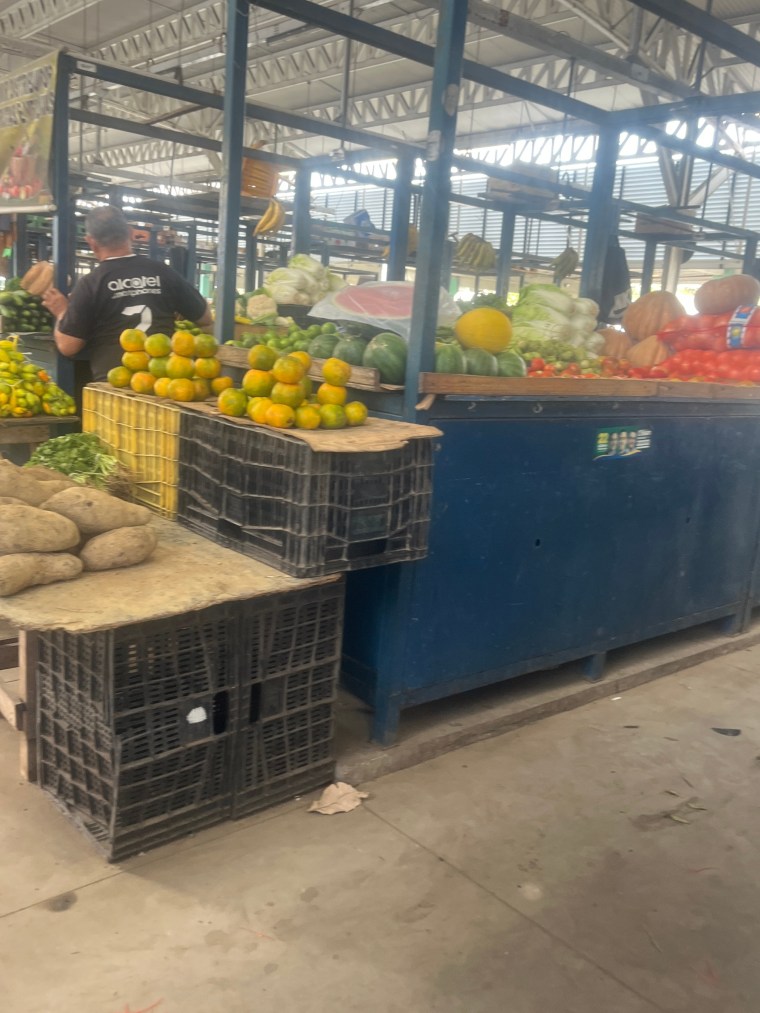
Der Rest der Nach verläuft ruhig und am nächsten Tag machen wir die unmittelbare Umgebung um die Marina unsicher. In einer großen Markthalle füllen wir unsere Obst und Gemüse Vorräte wieder auf und spazieren noch eine Weile durch die umliegenden Einkaufsstrassen. Solange Betrieb auf den Strassen ist, ist es auch nicht gefährlich. In der Dunkelheit oder einsamen Strassen/Plätzen sollte man sich nicht aufhalten. Morgen besuchen wir die Altstadt von Recife und am Sonntag müssen wir das Boot fertig machen, da wir am Montag zu unserer 2-wöchigen Brasilien Rundreise aufbrechen.
Forgive us if we glorify Fernando de Noronha a little too much, but the first land after 14 days of nothing but water is simply heavenly 😉.
But seriously, who gets to see dolphins jumping around their boat at 7:00 in the morning when they look out of their cabin window? I think that’s pretty close to paradise.
Fernando de Noronha is not actually a single island but a group of 21 islands, of which the main island is the largest and the only one inhabited. Since 1988, most of the small neighboring islands and part of the main island have been protected as a marine national park. Previously, the island was used as a penal colony from 1817 and later by the US military before being returned to Brazil.
Since then, great efforts have been made to preserve this special gem. Gentle tourism, a “zero plastic” policy, and a limit on visitor numbers are consistently implemented here, and you can see that. However, the island is very expensive. The cost of everyday items is three times higher than on the Brazilian mainland. As a result, our grocery shopping is rather sparse, but this could also be due to the range of products on offer. You often find yourself standing in front of empty shelves. Just before we leave the island, we find a fruit and vegetable shop with a really good selection and reasonable prices. Ripe mangoes that are not harvested while still green are nothing like what we get at home. Eating out at restaurants also put a dent in our budget.
From our anchorage, it is only a stone’s throw by dinghy to Porto and the beach, and from there there is a great bus connection every 30 minutes to the “city,” but hitchhiking is also not an issue here. 😉 One day, we did our laundry in a small but nice self-service laundromat converted from a shipping container, and on the way back with our laundry, we couldn’t find the bus stop to Porto. After walking in the heat with our heavy bags, we finally stopped at a bus sign, hoping that maybe a bus would come, when suddenly a truck stopped and asked if we wanted a ride. Really nice. Unfortunately, communication was not possible, as most people speak only Portuguese and no English at all. But it’s obvious where we want to go anyway. And of course we also spent a day at the beach. What a dream. Fine sand, clear warm water, a turtle accompanying our dinghy, and caipirinhas at the beach bar. What more could you want? We’re having a really good time here and recovering from the crossing, but at some point we’ll have to leave this wonderful island and head for the mainland.
So we set off on the afternoon of September 7, after fixing a small problem with the rudder shaft and filling up with water somewhere. The usual stuff. And of course, we’re sailing close to the wind again. Just not my thing 🤢. After the first two days, I’m out of commission for a night, again. Luckily, we’re already there by the next afternoon, so the strain on Franz isn’t too much. Whatever it is, it’s becoming a habit. We’ve decided to discuss the rest of the route again after our land trip to make the best of the situation for both of us.
When we arrive in Recife, we are grateful and tired, and the day ends with showers and dinner. It’s sobering that there are only one or two showers for everyone, they haven’t been cleaned, and there’s only cold water. I might as well have that on the boat. Otherwise, the marina is brand new and actually nicely done, apart from the trash in the harbor basin. What a contrast to Fernando de Noronha.
After retiring to our bunks very early, we are all the more shocked when, hours later, there is a sudden knock on the hull. A neighbor boat is standing outside and lets us know that something is wrong with our lines. I wake Franz from his deep sleep and up on deck we see the mess. Since we are a little too long for the finger pier, we couldn’t put a spring line from the very front to the back. With the ebb tide, the bow has now turned as far to the left as the mooring line allowed. Luckily, our neighbors noticed. However, it’s not that easy to pull a 30-ton colossus back against the tide. But our helpful neighbor had a solution for this too and pushed us to the jetty with his dinghy so that we could secure the lines better. Phew, considering we were already in bed, that was quite a lot of excitement.
The rest of the night passes quietly and the next day we explore the immediate vicinity of the marina. We replenish our fruit and vegetable supplies in a large market hall and stroll through the surrounding shopping streets for a while. As long as the streets are busy, it’s not dangerous. You shouldn’t linger in the dark or on lonely streets/squares. Tomorrow we will visit the old town of Recife and on Sunday we have to get the boat ready, as we are setting off on our two-week tour of Brazil on Monday.