Und erstens kommt es anders und zweitens als man denkt…..
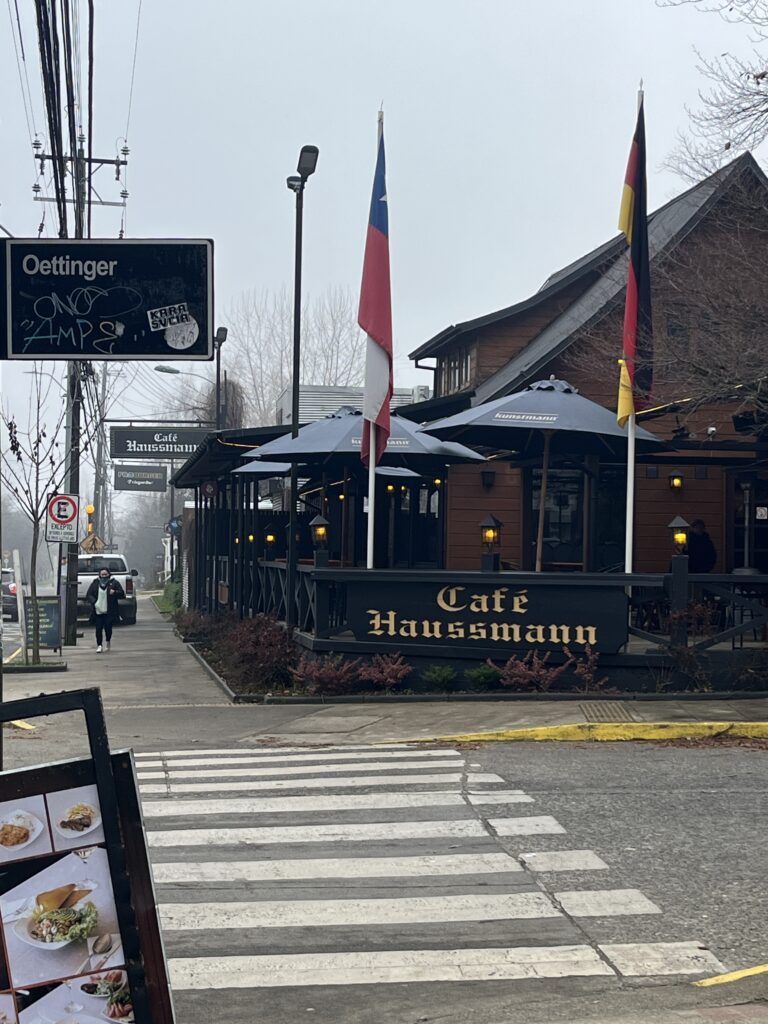
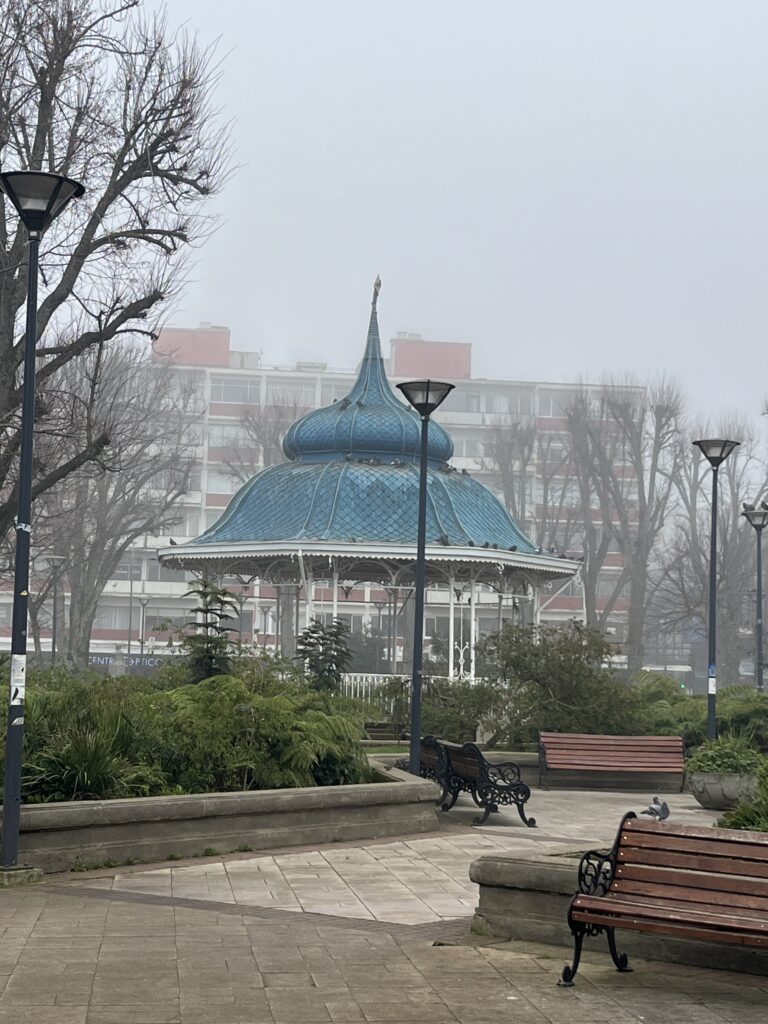
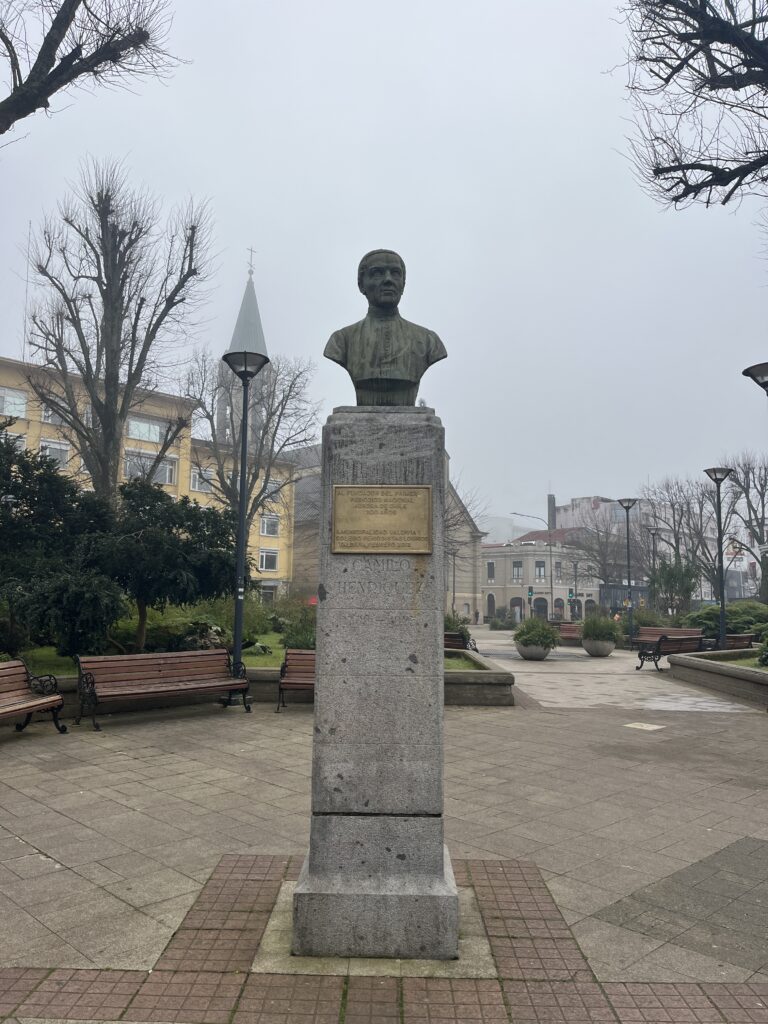
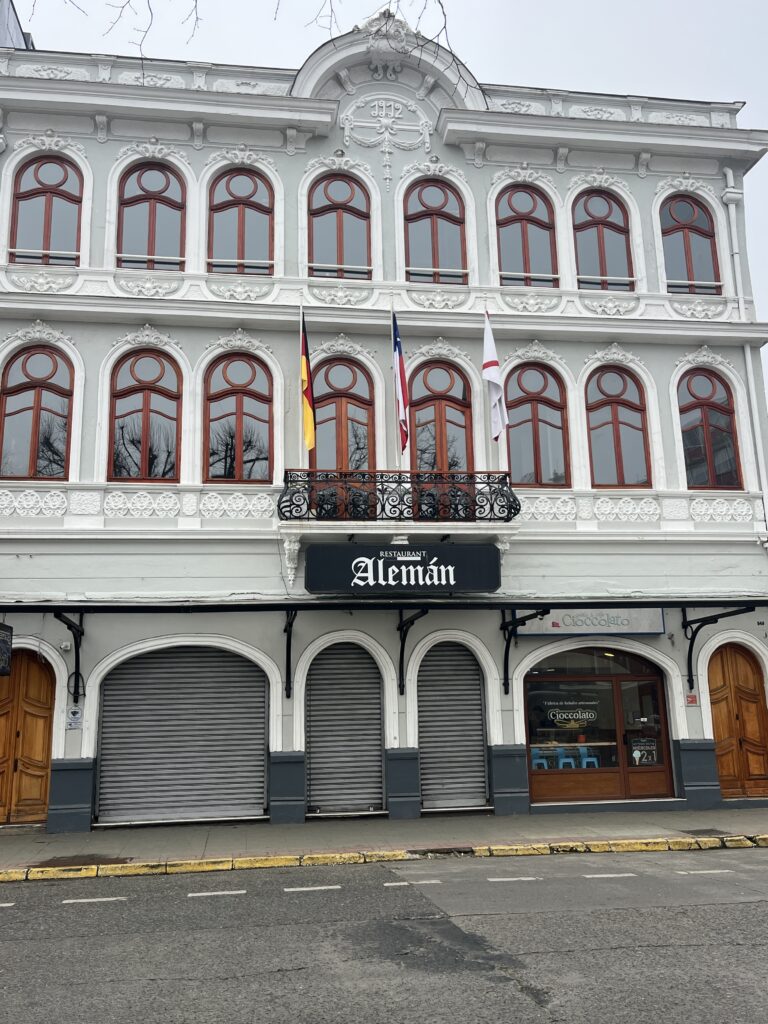
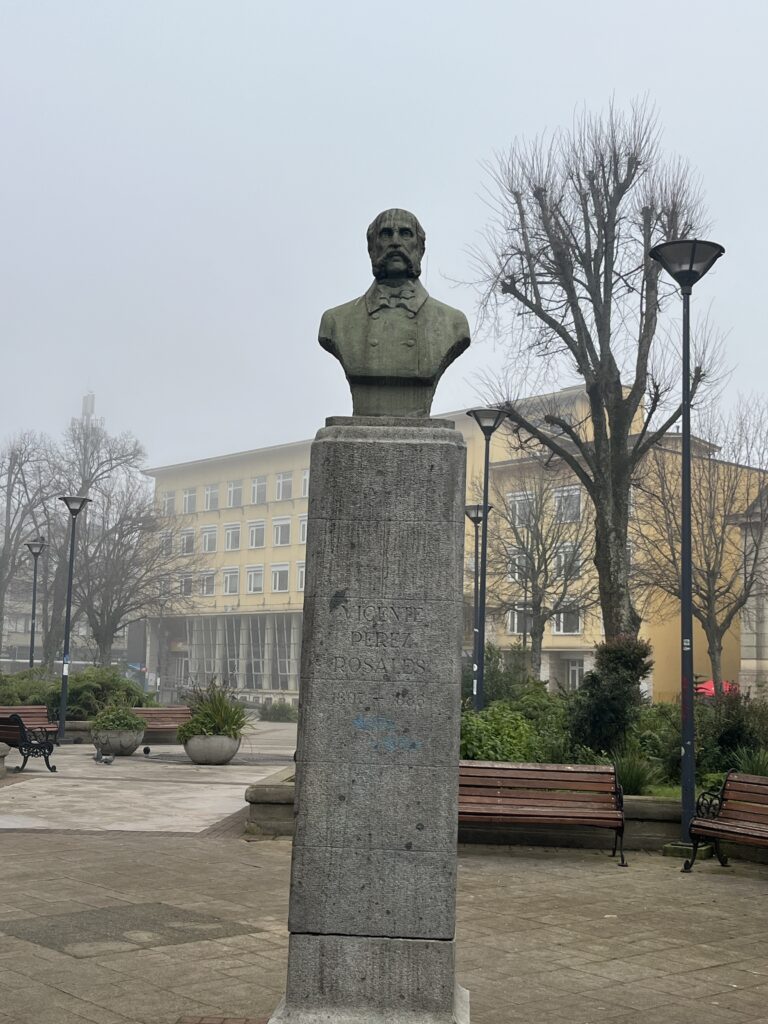
Wie in unserem letzten Bericht bereits angedeutet, stehen vor der Weiterfahrt in den Südpazifik noch einige Instandhaltungsarbeiten an, u.a. der Wechsel der Stopfbuchse. Da wir hierzu das Boot seinem natürlichen Element entnehmen müssen, haben wir uns die letzten Tage auf die Suche nach einer passenden Kranmöglichkeit gemacht. So fragen wir in Algarrobo an und bereiten alles zur zeitnahen Abfahrt vor, auch ein halbwegs passendes Wetterfenster findet sich. Als das Angebot dann allerdings kommt, schlagen wir sehr unsanft auf dem Boden der Tatsachen wieder auf. Sie verlangen pro Kranvorgang 1000€, ob und was noch inklusive ist, dazu äußern sie sich gar nicht erst. So viel haben wir nicht einmal in Europa bezahlt. Kommt ja gar nicht in Frage. Eine Alternative muss her. In unserer Marina in Puerto Montt wurde uns zu Anfang mitgeteilt, dass der Kran nur max. 27t hebt, damit haben wir diese Option gar nicht erst nachverfolgt. Ohne Plan B allerdings, fragen wir doch noch genauer nach und wer hätte es gedacht, 35t gehen und in ein paar Tagen können wir raus. Wir sind erstmal erleichtert, ärgern uns aber, dass wir nicht schon viel früher nachgefragt und damit so viel Zeit verloren haben. Aus den paar Tagen wird am Ende eine Woche, aber das kennen wir ja nun schon. Und dann ist es soweit, wir fahren bei Hochwasser in die Schleuse, der Kran fährt die Gurte unter den Rumpf, wir steigen aus und das Desaster nimmt seinen Lauf. Von Beginn an macht der Kran komische Geräusche und das Team wirkt irgendwie etwas hilflos. Die Gurte sind ungleich aufgehängt und als der Kran mit dem Hochziehen beginnt, hängt unsere Amber völlig schief und schaukelt bedenklich. Schnell ist klar das wird so nichts. Zu unserer Erleichterung lassen sie das Schiff wieder runter und nach längeren Diskussionen brechen wir ab und fahren an unseren Platz zurück. Das war dann mal nix, die Suche geht weiter. Am Ende entscheiden wir uns, nach Valdivia zu fahren und dort zu Kranen. Das Angebot ist gut und der Kran hebt auch Katamarane. Bei strahlendem Wetter und 0 Wind verlassen wir Puerto Montt und Motoren die 2 Tage in die Marina Rio Valdivia. Die Marina liegt in einem Fluss und die Anfahrt ist nicht ohne. Kommt man zur falschen Zeit dort an, kann man bis zu 7kn Tidenstrom gegen sich haben. Kein Vergnügen. Wir haben es aber gut geplant und kommen schön durch. Obwohl auch heute ein strahlend schöner Tag ist, hängt dichter Nebel über dem Fluß und in der Fahrrinne herrscht emsiges Treiben. Wir lassen erst einmal alle Großen vorbei und fahren dann langsam hinter her. Als wir die Marina erreichen hat sich der Nebel fast gänzlich verzogen und obwohl die Sonne scheint, ist es hier deutlich kälter als in Puerto Montt. Eigentlich dachte ich, wird es mit jeder Seemeile weiter nördlich wärmer. Wir räumen etwas zusammen und verlassen das Boot, um uns die Marina anzuschauen. Es gibt Toiletten, Duschen und einen Aufenthaltsraum mit Küche, also alles da was man braucht. Als wir um das Gebäude herum gehen, stehen wir plötzlich mitten in einem Barbecue. Das ist so typisch hier, kaum kommt die Sonne raus, setzt man sich zum Grillen zusammen. Sofort sind wir mit eingeladen und werden mit Essen und Wein versorgt, auch das ist typisch. So verbringen wir einen kurzweiligen Nachmittag und lernen einige der Leute kennen, Locals und Segler. Am Sonntag fahren wir mit Jorge von der Marina Mittags nach Valdivia in die Stadt. Es ist wieder neblig und richtig kalt. Trotzdem machen wir einen ausgiebigen Spaziergang bevor wir uns zum Essen in einem sehr netten Restaurant niederlassen. Valdivia finden wir schöner als Puerto Montt, allerdings sind die Preise hier wieder um einiges höher.
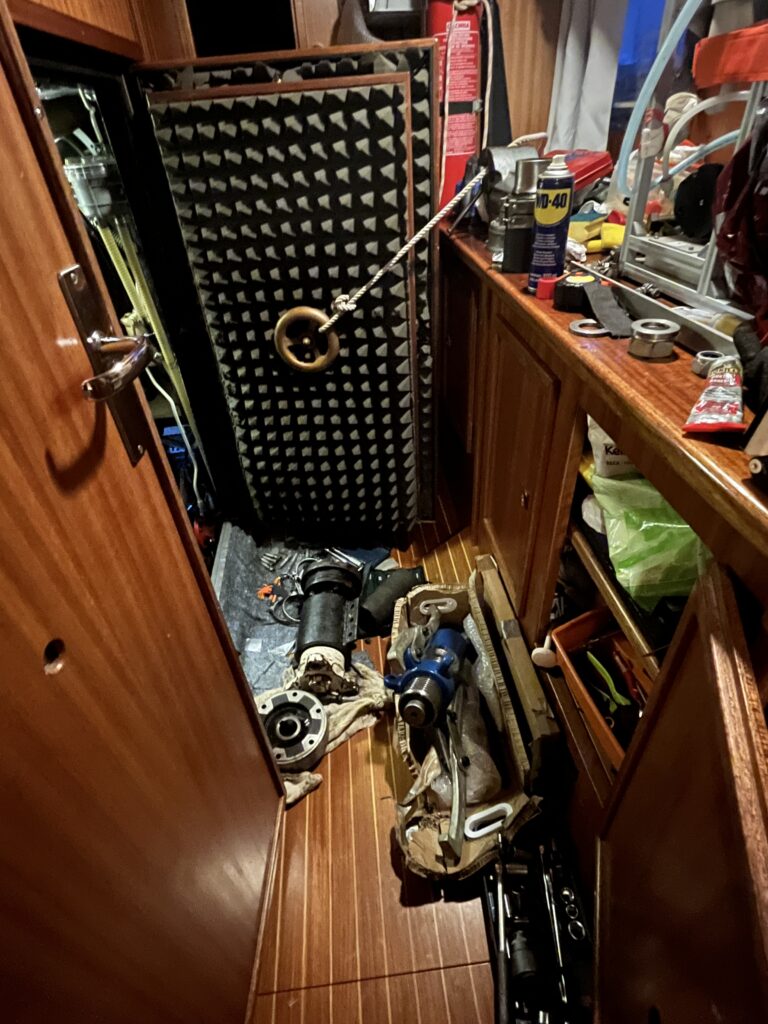
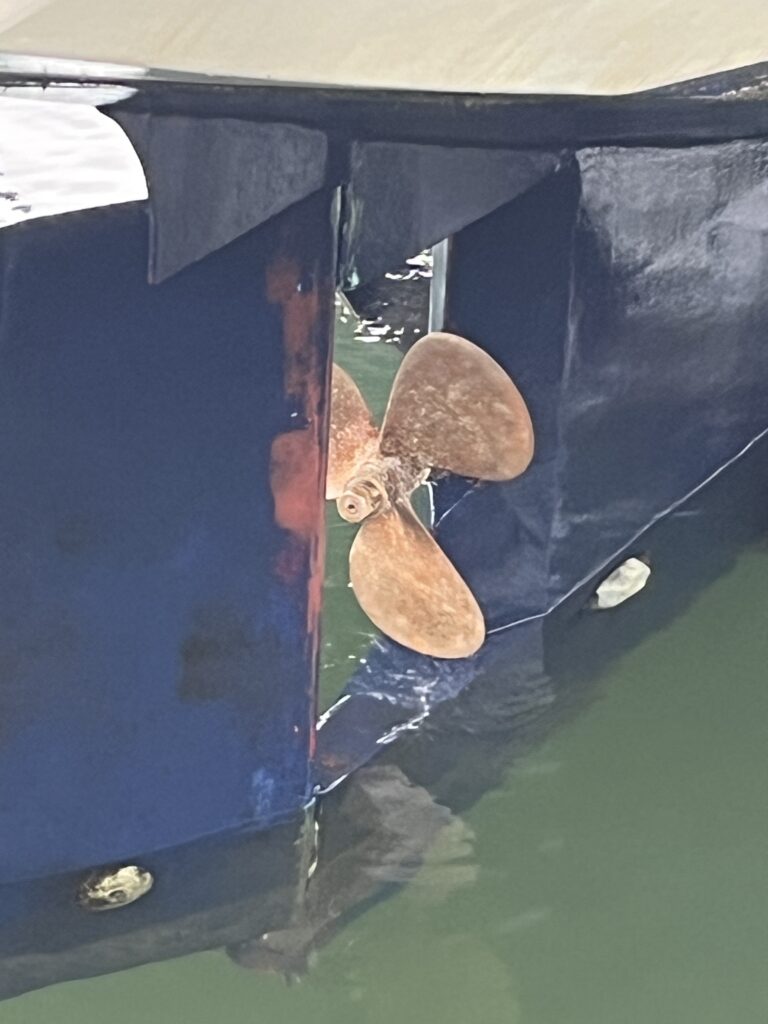
Und dann ist es auch hier soweit. Um 10:00 am Montag ist Krantermin. Allerdings ist um 10:00 ausser uns noch keiner da und es dauert bis 11:30 bis es dann wirklich los geht. Wir fahren mit auflaufendem Wasser rückwärts in die Schleuse und ich wundere mich, warum wir nur an einer Seite der breiten Schleuse festgemacht werden, wenn wir doch eigentlich in der Mitte stehen sollen. Mittlerweile ist das auch den anderen aufgefallen und wir legen noch eine Leine auf die andere Seite, um das Boot gerade zu richten. Allerdings bewegt sich das Heck keinen Millimeter, Selbst mit der Winsch bekommen wir es nicht hin. Ein Blick auf den Tiefenmesser sagt uns dann auch warum. In der Schleuse ist es nur 1.90m tief und mit unseren 2m Tiefgang haben wir uns festgefahren. Das kommt davon, wenn man glaubt was andere einem erzählen. Jetzt können wir nur warten bis die Tide den höchsten Stand erreicht hat und wir wieder freischwimmen. Die Krancrew entschwindet zum Mittagessen und wir unter Deck um uns aufzuwärmen. Am Nachmittag, wir schwimmen inzwischen wieder, geht es dann ans Eingemachte. Der Kran fährt über die Schleuse und uns erst einmal gegen den Besan Mast. Das werden wir uns die Tage genau anschauen müssen, ob etwas kaputt gegangen ist. Als nächstes bleibt der Gurt am Ruder hängen anstatt am Rumpf und die Anspannung steigt schon wieder auf allen Seiten. Irgendwann sitzen dann die Gurte und der Kran hebt an, nur um festzustellen, dass er uns nicht heben kann. Das Heck ist aus dem Wasser, der Bug hängt tiefer und das wars. Nach einigen Diskussionen beschließen wir, die Stopfbuchse im Kran hängend zu wechseln. Wichtig ist ja nur das Schraube und Welle ein Stück aus dem Wasser raus sind. So im Kran hängend auf dem Schiff zu sein, ist mal eine ganz neue Erfahrung. Franz beginnt auch gleich mit dem Abbau der entsprechenden Teile und so werkeln wir bis abends vor uns hin. Heute ist es wettertechnisch eher bescheiden. Es regnet und regnet und regnet. Franz kämpft weiter mit der Stopfbuchse und ich finde immer wieder etwas zum sauber machen oder aufräumen, ohne ihm im Weg zu sein. So einfach wie gestern geht es heute leider nicht und dementsprechend ist auch die Stimmung. Am Ende lösen sich aber auch die widerspenstigsten Teile und die neue Dichtung kann montiert werden. wenn alles gut geht können wir vielleicht morgen oder spätestens übermorgen wieder zurück auf unseren Platz und dann auch bald weg von hier.
First, things turn out differently, and second, not the way you think…..
As we already mentioned in our last report, there’s still some maintenance work to be done before we continue our journey to the South Pacific, including replacing the stuffing box. Since we have to lift the boat out of the water to do this, we’ve spent the last few days looking for a suitable crane. So we inquired in Algarrobo and prepared everything for a prompt departure; we even found a reasonably suitable weather window. However, when the quote finally came in, we were brought back down to earth with a bump. They’re charging €1,000 per crane operation, and they didn’t even bother to mention whether anything else is included or what exactly is covered. We haven’t even paid that much in Europe. That’s out of the question. We need an alternative. At our marina in Puerto Montt, we were told at the beginning that the crane could only lift a maximum of 27 metric tons, so we didn’t even pursue that option. Without a Plan B, however, we asked for more details—and who would have thought—it can handle 35 metric tons, and we can be lifted in a few days. We’re relieved for now, but we’re annoyed that we didn’t ask much earlier and ended up wasting so much time. Those few days end up turning into a week, but we’re used to that by now. And then the time comes—we head into the lock at high tide, the crane slides the straps under the hull, we get off the boat, and the disaster unfolds. Right from the start, the crane makes strange noises, and the team seems a bit at a loss. The straps are unevenly secured, and when the crane begins to lift, our Amber hangs completely askew and sways alarmingly. It quickly becomes clear that this isn’t going to work. To our relief, they lower the boat again, and after lengthy discussions, we call it off and head back to our berth. That was a total bust; the search continues. In the end, we decide to head to Valdivia and use a crane there. The offer is good, and the crane can even lift catamarans. In glorious weather and with no wind, we leave Puerto Montt and motor for two days to the Marina Rio Valdivia. The marina is located on a river, and getting there is no easy feat. If you arrive at the wrong time, you can face a tidal current of up to 7 knots working against you. Not exactly a pleasure. But we planned it well and made it through just fine. Although today is another beautifully sunny day, thick fog hangs over the river, and the shipping channel is bustling with activity. We let all the larger boats pass first and then follow slowly behind them. By the time we reach the marina, the fog has almost completely cleared, and although the sun is shining, it’s significantly colder here than in Puerto Montt. I actually thought it would get warmer with every nautical mile further north. We tidy up a bit and leave the boat to check out the marina. There are restrooms, showers, and a common room with a kitchen—everything you need. As we walk around the building, we suddenly find ourselves in the middle of a barbecue. That’s so typical here—as soon as the sun comes out, people gather to grill. We’re immediately invited to join in and are treated to food and wine—that’s typical, too. So we spend an enjoyable afternoon getting to know some of the people—locals and sailors alike. On Sunday, we drive with Jorge from the marina to Valdivia at noon. It’s foggy again and really cold. Still, we take a long walk before settling down for a meal at a very nice restaurant. We find Valdivia more beautiful than Puerto Montt, though the prices here are again quite a bit higher.
And then the time comes here, too. Our crane appointment is at 10:00 a.m. on Monday. However, at 10:00 a.m., no one else is there besides us, and it doesn’t actually get started until 11:30 a.m. We back into the lock as the water rises, and I wonder why we’re only being tied off on one side of the wide lock when we’re actually supposed to be centered. By now, the others have noticed this too, and we throw another line to the other side to straighten out the boat. However, the stern doesn’t budge a millimeter—even with the winch, we can’t get it to move. A glance at the depth gauge tells us why. The lock is only 1.90 m deep, and with our 2 m draft, we’ve run aground. That’s what happens when you believe what others tell you. Now we can only wait until the tide reaches its highest point and we’re free again. The crane crew heads off for lunch, and we go below deck to warm up. In the afternoon—we’re afloat again by then—things get serious. The crane moves over the lock and first hits us against the mizzen mast. We’ll have to take a close look at that over the next few days to see if anything’s broken. Next, the strap gets caught on the rudder instead of the hull, and tension rises again on all sides. Eventually, the straps are secured and the crane begins to lift—only to realize it can’t lift us. The stern is out of the water, the bow is hanging lower, and that’s it. After some discussion, we decide to replace the stuffing box while the ship is suspended in the crane. The only important thing is that the propeller and shaft are out of the water a bit. Being suspended in the crane like this on the boat is a whole new experience. Franz immediately starts dismantling the relevant parts, and so we tinker away until evening. Weather-wise, today is rather dismal. It rains and rains and rains. Franz keeps struggling with the stuffing box, and I keep finding something to clean or tidy up without getting in his way. Unfortunately, it’s not going as smoothly as yesterday, and the mood reflects that. In the end, though, even the most stubborn parts come loose, and the new gasket can be installed. If all goes well, we might be able to return to our berth tomorrow or the day after at the latest—and then we’ll be on our way out of here soon.