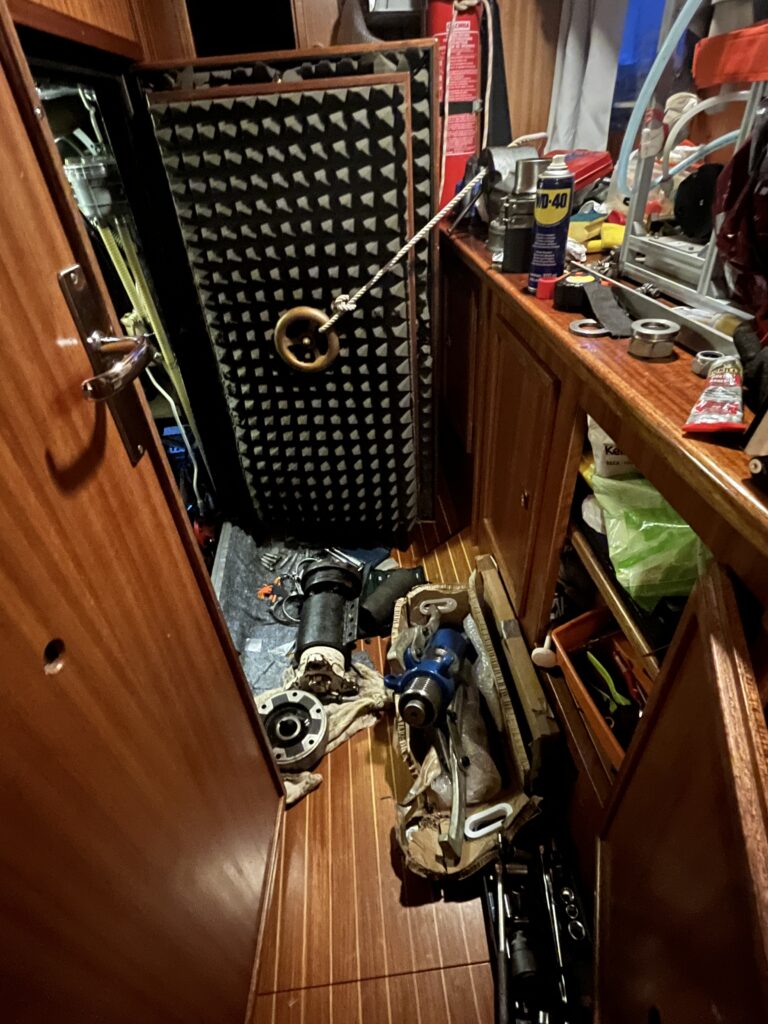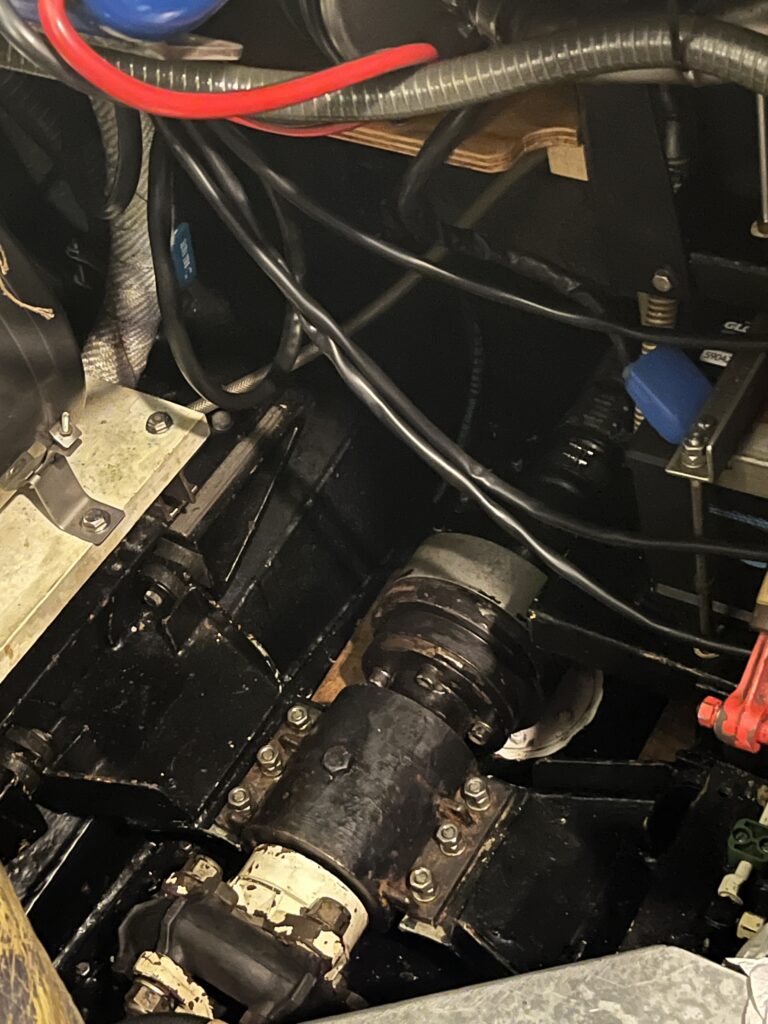
Nach dem erfolgreichen Wechsel der Stopfbuchse werden wir wieder ins Wasser entlassen und zum Glück ist alles dicht. Nun endlich rückt auch die nächste Möglichkeit zur Abfahrt in erreichbare Nähe. Wir haben schon wieder Lagerkoller und beginnen sofort mit den nötigen Vorbereitungen. Das nächste Ziel heisst Algarrobo und bietet uns mit etwas Glück, die passenden Windverhältnisse Richtung Westen. Das glauben wir zumindest. Und noch etwas ist neu, wir haben einen Gast. Eine junge Biologin aus Finnland begleitet uns. Wir sind gespannt wie das funktioniert. Zuerst einmal muss dafür aber die Bugkabine ausgeräumt und wohnlich hergerichtet werden. Mit etwas Fantasie bekommen wir alles anderweitig verstaut und Elisa kann einziehen. Am 10.07.26 geht es los, c.a. 4 Tage sind veranschlagt und das Wetter ist diesmal mit strahlendem Sonnenschein auf unserer Seite. Der Wind leider nicht, er übt sich in vornehmer Zurückhaltung und wir gewöhnen uns allmählich an unser neues Crew Mitglied. Natürlich wäre Elisa gerne auch gesegelt, genau wie wir, aber mehr als 2h mit ausgebaumter Genua geht sich leider nicht aus, der Rest muss motort werden. Am 13.07.26 erreichen wir morgens bei dichtem Nebel Algarrobo. Die Hafeneinfahrt ist gruselig schmal, mit ordentlich Schwell und wir machen es nach dem Motto „Augen zu und durch“, nur nicht zu lange drüber nachdenken. Das Anlegemanöver, Heck zum Pier und vorne mit Boje, gestaltet sich wie immer schwierig und die Stimmung ist aufgeheizt. Noch dazu sind die Marineros keine wirkliche Hilfe, am Ende liegen wir aber gut festgemacht und es gibt erstmal einen Anlegeschluck. Am nächsten Tag verlässt uns Elisa und reist weiter nach Peru, dafür treffen wir unsere Freunde von der Pionero wieder. Algarrobo ist deutlich touristischer als Valdivia, mit einem ganz anderen Stadtbild. Hier haben die „Santiagoer“ ihre Wochendend/Urlaubsdomizile und das merkt man sofort an den Preisen. Die Marina ist seit langem wieder einmal einer der teuersten und auch Restaurants und Lebensmittel schlagen aufs Budget. Trotzdem gefällt es uns hier.
Neben dem Marinatrott und all den üblichen Arbeiten, beginnen wir schon nach einem passenden Wetterfenster zu suchen, um endlich nach Westen aufzubrechen. Allerdings folgt die Ernüchterung auf dem Fuße. Von Algarrobo ist es fast unmöglich gute Bedingungen zu finden, entweder kein Wind oder am Wind segeln und gegen an kreuzen. Juan Fernandez (Robinson Crusoe Island), können wir voraussichtlich von der Liste streichen und froh sein wenn wir die Osterinseln erreichen können. So war das nicht geplant. Wir überlegen hin und her, vergleichen Wettersysteme und sammeln Informationen, aber es ändert nichts an den Tatsachen. Im Nachhinein wäre es besser gewesen, von Puerto Montt oder Valdivia gleich direkt nach Westen wegzufahren, aber auf Grund der anstehenden Reparatur der Stopfbuchse war das nicht möglich. Also muss ein neuer Plan her. Zwischen unseren Überlegungen müssen wir dann auch noch ein Sturmtief abwettern, dass mit Starkregen und Windböen bis 47kn über Chile hinwegzieht.
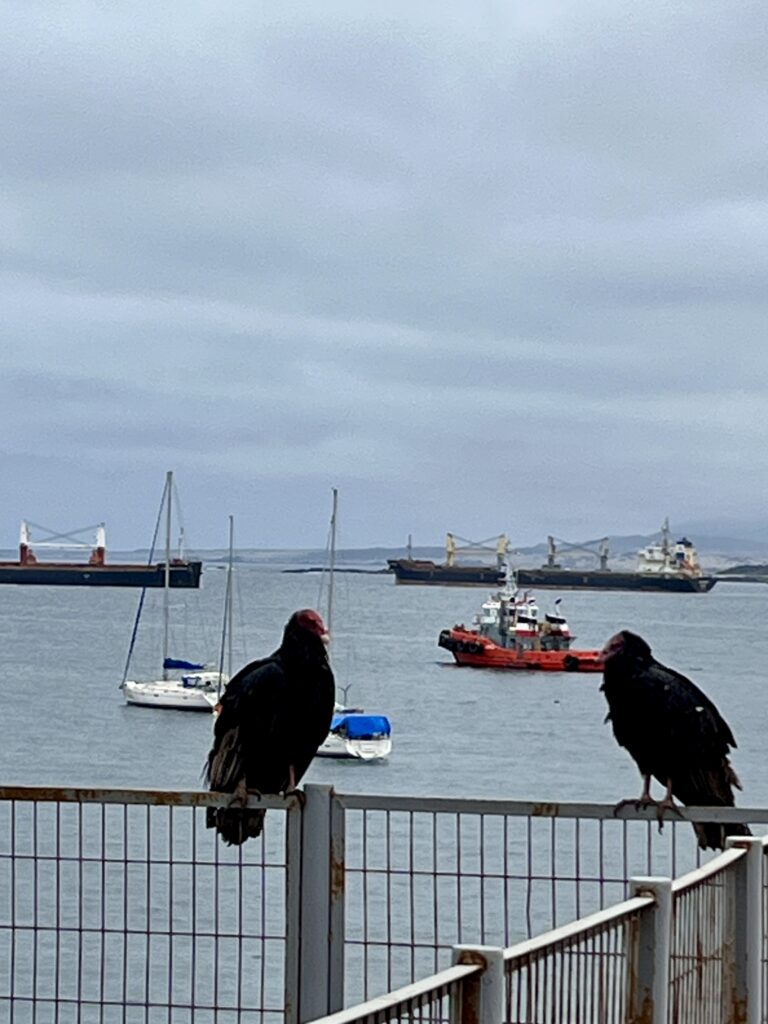
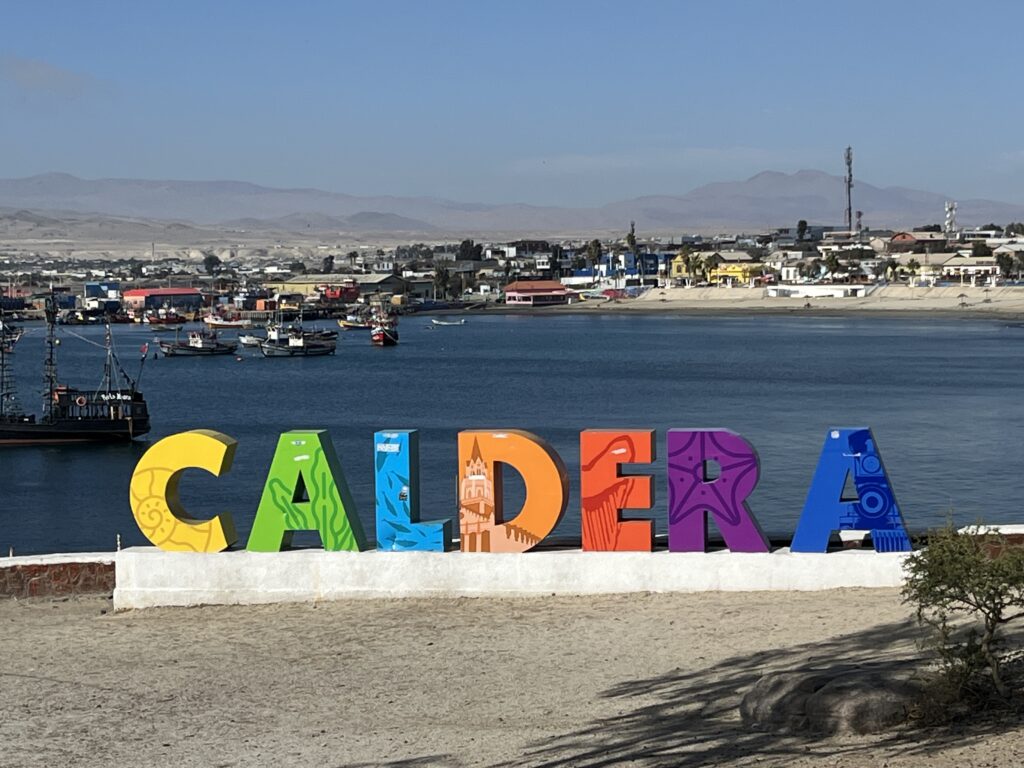
Nach einigem hin und her entscheiden wir, weiter nach Norden, nach Caldera zu fahren, um dort mit etwas Glück den Passatwind zu erwischen. Das Wetter passt, alle Vorbereitungen sind abgeschlossen und eigentlich könnten wir morgen ganz entspannt los, wenn da nicht die Sache mit dem Windex wäre, dass wir gebrochen auf Deck finden. Übeltäter waren Truthahngeier (Cathartes Aura), die gerne oben auf den Masten sitzen, vorzugsweise auf den Windgebern, für die sie aber viel zu schwer sind. Franz hat mehrfach versucht sie zu vertreiben aber ohne Erfolg. Das kommt uns jetzt natürlich äußerst ungelegen. Wir haben zwar einen Ersatz, der ist aber auch nicht mehr neu und bricht prompt bei dem Versuch, ihn auszutauschen. Am Ende wird das Teil mit Klebeband notdürftig repariert und wieder installiert, funktioniert aber natürlich nicht richtig, also montieren wir noch zusätzlich sog. Windfäden.
Auf unserem Weg nach Caldera können wir uns sowieso nicht über zu viel Wind beschweren, aber mit ausgebaumter Genua zumindest 24h von den 3 Tagen segeln. Hier fällt sofort die Nähe zur Atacama Wüste auf. Alles ist trocken, das Klima wärmer und kaum Vegetation. Wir ankern im Bojenfeld und müssen uns insgesamt 3x umlegen, weil wir entweder im Weg oder die anderen Boote immer irgendwie zu nah sind. Gestern Nacht hat uns dann noch ein Pilotboot angefahren, um die Boje, an der wir unser Heck befestigt hatten um nicht zu schwoien, los zu machen und sich an dieser anzulegen, natürlich viel zu nah. Als ob es hier nicht genug andere Bojen gibt. Alles nicht so optimal.
Unseren eigentlichen Plan, am Samstag abzulegen, haben wir inzwischen schon wieder um einen Tag verschoben, da einfach noch zu viel zu tun ist. Seit gestern läuft der Wassermacher. Bei 30l/h dauert es, bis 300l drin sind. Und 200l Diesel in Kanistern müssen noch geholt und getankt werden. Ein kleiner Vorgeschmack auf die fehlende Infrastruktur in der Südsee. Zu allem Überfluss brauchte unser Außenborder wieder einen Service, da er erneut den Dienst quittiert hat. Ich fürchte, seine Tage sind gezählt. Nach neuerlicher Begutachtung der Wind und Wettervorhersage haben wir die Idee mit den Passatsegeln inzwischen aber wieder fallen lassen. Ein Stück Arbeit weniger.
After successfully replacing the stuffing box, we’re back in the water, and thankfully, everything’s watertight. Now, at last, our next opportunity to set sail is within reach. We’re already getting cabin fever again and immediately begin making the necessary preparations. Our next destination is Algarrobo, which—with a little luck—will offer us the right wind conditions for heading west. At least, that’s what we think. And there’s something else new: we have a guest. A young biologist from Finland is joining us. We’re curious to see how this will work out. First, though, we need to clear out the bow cabin and make it cozy. With a little imagination, we manage to stow everything elsewhere, and Elisa can move in. We set off on the morning of July 10, 26; the trip is estimated to take about 4 days, and this time the weather is on our side with bright sunshine. The wind, unfortunately, is not—it’s being rather reserved—and we’re gradually getting used to our new crew member. Of course, Elisa would have loved to sail, just like us, but unfortunately we can’t manage more than two hours of motor-sailing; the rest of the way has to be under engine power. On the morning of July 13, 26, we reach Algarrobo in thick fog. The harbor entrance is eerily narrow with a fair amount of swell, and we take the “eyes closed and through” approach—just don’t think about it for too long. The mooring maneuver—stern to the pier and bow to a buoy—proves difficult as always, and tensions are running high. On top of that, the marineros aren’t much help, but in the end we’re securely tied up and treat ourselves to a celebratory drink. The next day, Elisa leaves us and continues on to Peru, but we’re reunited with our friends from the Pionero. Algarrobo is much more touristy than Valdivia, with a completely different cityscape. This is where the “Santiagans” have their weekend and vacation homes, and you can tell right away from the prices. The marina is once again one of the most expensive we’ve seen in a long time, and restaurants and groceries are also taking a toll on our budget. Still, we like it here.
In addition to the marina routine and all the usual chores, we’re already starting to look for a suitable weather window so we can finally set off westward. However, disillusionment follows hot on our heels. From Algarrobo, it’s almost impossible to find good conditions—either there’s no wind, or we’d have to sail close-hauled and tack against the wind. We’ll probably have to cross Juan Fernández (Robinson Crusoe Island) off the list and be happy if we can even reach Easter Island. That wasn’t the plan. We go back and forth, comparing weather systems and gathering information, but it doesn’t change the fact. In hindsight, it would have been better to head west right away from Puerto Montt or Valdivia, but that wasn’t possible due to the upcoming repair of the stuffing box. So we need a new plan. In the midst of our deliberations, we also have to weather a storm system sweeping across Chile with heavy rain and wind gusts of up to 47 knots.
After some back-and-forth, we decide to head further north to Caldera, where, with a bit of luck, we’ll catch the trade winds. The weather is right, all preparations are complete, and we could actually set off tomorrow in a completely relaxed manner—if it weren’t for the Windex, which we find broken on the deck.
The culprits were turkey vultures (Cathartes aura), which like to perch atop the masts—preferably on the wind sensors—but are far too heavy for them. Franz tried several times to shoo them away, but without success. Of course, this is extremely inconvenient for us right now. We do have a spare, but it’s not new either, and it promptly breaks when we try to replace it. In the end, the part is provisionally repaired with tape and reinstalled, but of course it doesn’t work properly, so we also install additional “wind threads.”
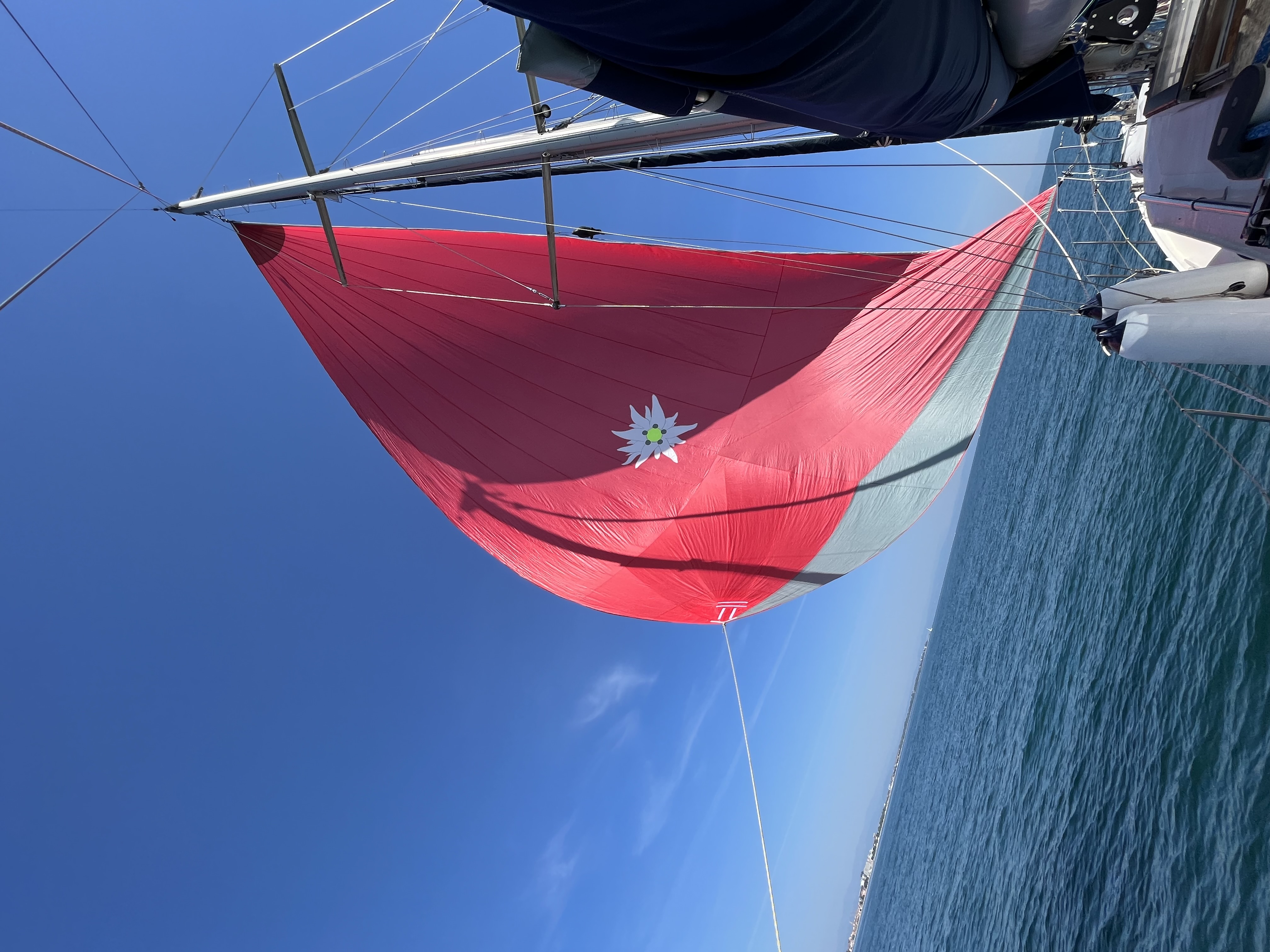
On our way to Caldera, we can’t complain about too much wind anyway, but with the genoa unfurled, we’re able to sail for at least 24 hours out of the 3 days. Here, the proximity to the Atacama Desert is immediately noticeable. Everything is dry, the climate is warmer, and there’s hardly any vegetation. We anchor in the buoy field and have to move our boat a total of three times because we’re either in the way or the other boats are always somehow too close. Last night, a pilot boat even ran into us to untie the buoy to which we’d secured our stern to keep from drifting, and then moored alongside it—far too close, of course. As if there weren’t enough other buoys here. None of this is ideal.
We’ve already postponed our original plan to set sail on Saturday by another day, since there’s simply still too much to do. The watermaker has been running since yesterday. At 30 liters per hour, it’ll take a while to fill up to 300 liters. And we still need to pick up and refuel 200 liters of diesel in canisters. A little taste of the lack of infrastructure in the South Pacific. To make matters worse, our outboard motor needed servicing because it’s already given out again. I’m afraid its days are numbered. After taking another look at the wind and weather forecast, we’ve since scrapped the idea of using the trade wind sails. That’s one less thing to worry about.